

Iran Conflict Sparks Inflation Surge, CBO Warns
CBO report reveals Iran war driving inflation and higher borrowing costs for Americans. Key findings and financial impact detailed.

POLICY WIRE — Washington, United States — A new analysis by the Congressional Budget Office (CBO) highlights the growing economic impact of the ongoing conflict with Iran, linking it to rising inflation and increased borrowing costs for American consumers.
The report states that the war has contributed to more than a third of this year’s inflation increase, with projections showing continued upward pressure in the first quarter of next year. Specifically, the CBO attributes over 40% of inflation during the second quarter of 2026 to the conflict and estimates an additional half percentage point of inflation in the first quarter of 2027.
The primary cause of the inflation spike is attributed to reduced oil and natural gas shipments through the Strait of Hormuz and the Red Sea. The CBO also warns that interest rates may rise as a result, making loans and credit more expensive for households and businesses.
📄 POLICY WIRE WHITEPAPER PUBLISHED: PAKISTAN’S NATIONAL SECURITY POLICY PRIORITIES
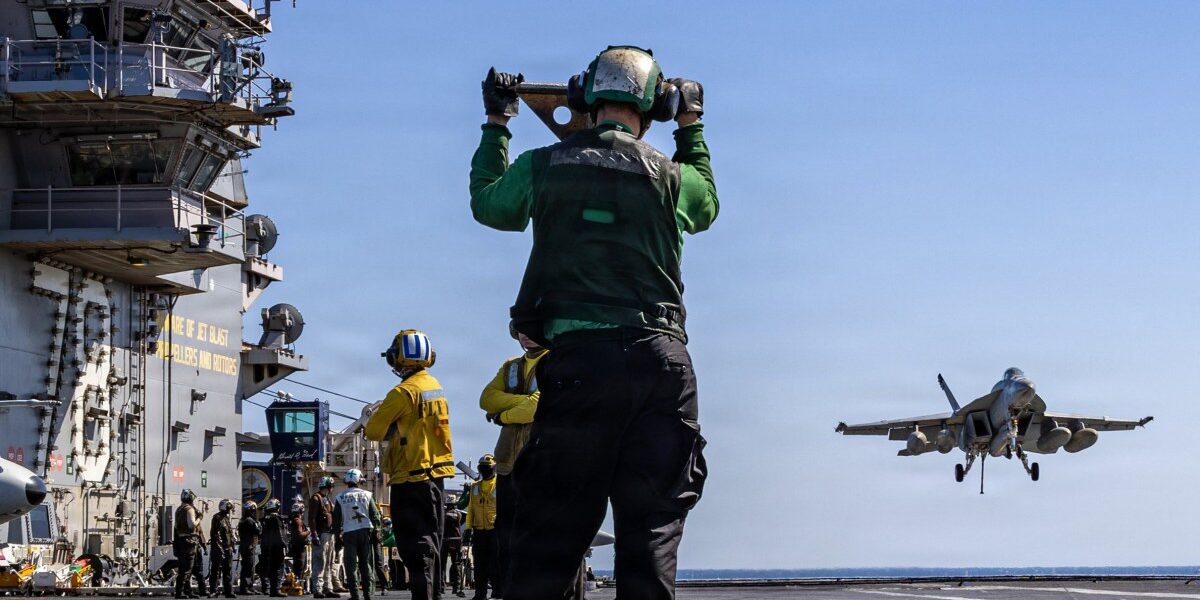
The report notes that the Pentagon has faced significant challenges in replenishing military supplies, with a $38 billion cost incurred as of August 1. It could take five years to replace the munitions used, and the estimate does not include the damage to U.S. bases in the Middle East, which remains unaccounted for due to a lack of data from the Defense Department.
Senator Elizabeth Warren, D-Mass., called for an end to the war, describing it as a “one-two punch” that strains both household budgets and military readiness. The CBO also estimated that replacing missile defense interceptors alone would cost $13.1 billion, with total munitions replacement reaching $21.7 billion by August 1.
Reporting by Policy-Wire (PW)