

U.S. Economy Under Pressure: Key Risks Emerge as Inflation and Oil Prices Rise
U.S. economy faces rising risks from oil prices, inflation, and debt. Experts warn of potential slowdowns.

POLICY WIRE — Washington, D.C. — The U.S. economy has shown resilience over the past two years despite a slowing labor market, trade tensions, and rising inflation. However, experts are now raising concerns about a growing list of challenges that could threaten its stability.
Economists warn that a mix of ongoing and emerging risks may soon test the nation’s economic strength. Ed Yardeni, president and chief investment strategist at Yardeni Research, highlighted the increasing worries in a report released on September 14, noting that the worry list is growing more worrisome.
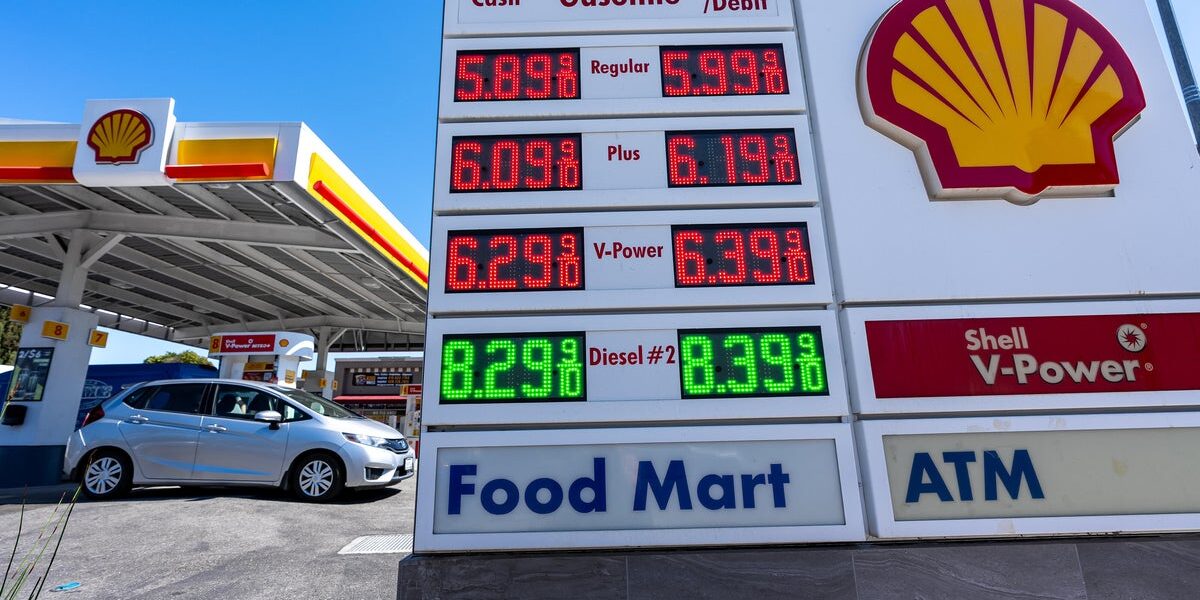
The current environment presents multiple pressures, including higher oil prices, global bond yield increases, and persistent inflation. Recent spikes in oil prices have pushed diesel costs to a record high of $6.23 per gallon, according to AAA data, while Brent crude reached $108.45 on Monday amid ongoing conflicts in the Middle East.
Inflation, though slightly reduced from its peak in May, remains above the Federal Reserve’s 2% target, with the Consumer Price Index showing a 3.4% annual increase in August. This has placed additional strain on low- and middle-income households, as consumer sentiment fell to its second-lowest level on record, according to Oxford Economics.
Goldman Sachs warns that if oil prices exceed $120 per barrel, it could further burden American consumers and businesses. Yardeni noted that sustained high energy costs could eventually slow economic growth, adding to the challenges already facing the country.
The Federal Reserve is set to announce its next interest rate decision on Wednesday, with many analysts expecting a rate hike after more than three years without one. Some predict additional increases, which could raise borrowing costs for consumers and businesses while also curbing inflation by slowing economic activity.
📄 POLICY WIRE WHITEPAPER PUBLISHED: PAKISTAN’S NATIONAL SECURITY POLICY PRIORITIES
However, a series of rate hikes could also tighten financial conditions, putting pressure on earnings and stock valuations, potentially leading to declines in the broader market. Yardeni emphasized that the Fed’s decisions will play a crucial role in shaping the economic outlook.
The federal government’s fiscal health adds another layer of concern, as the national debt has surpassed $40 trillion. Interest payments on this debt now exceed spending on defense or Medicare, and rising interest rates could further strain the budget, requiring more Treasury issuances to meet obligations.
While the stock market is not the economy itself, it has contributed to wealth gains for many Americans, boosting retirement accounts and creating new millionaires. Much of this growth has been driven by expectations around artificial intelligence, but questions remain about whether these companies can deliver enough earnings to justify their high valuations.
Upper-income individuals, supported by their stock market gains, have remained more resilient than lower-income groups, reflecting what some call the K-shaped economy. Zureick noted that while the upper end of this K continues to drive spending, those at the lower end struggle to keep up with rising living costs.
If AI valuations decline and drag down the broader market, consumer spending could slow significantly, according to Zureick. With so many factors at play, the U.S. economy faces a complex and uncertain path ahead.
Reporting by Policy-Wire (PW)