


POLICY WIRE FACT CHECK: Does photo show experimental circular forest in Japan?
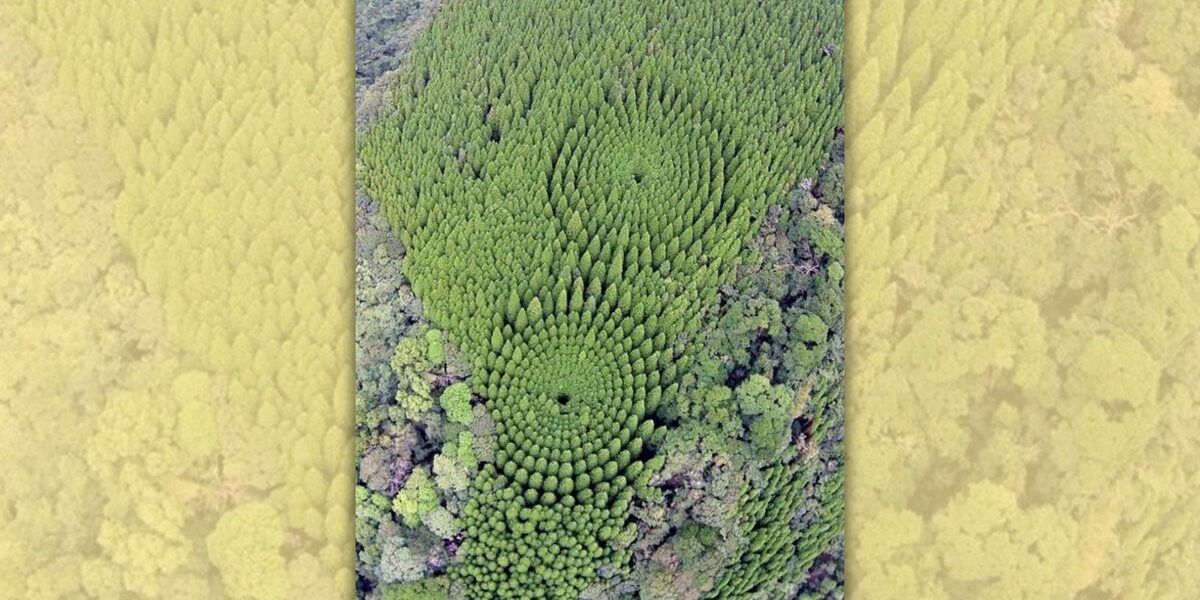
The Claim A viral photograph of trees arranged in concentric circles resurfaced online in 2026, sparking widespread speculation about its origin and purpose. The image, which appeared on platforms...

The Claim
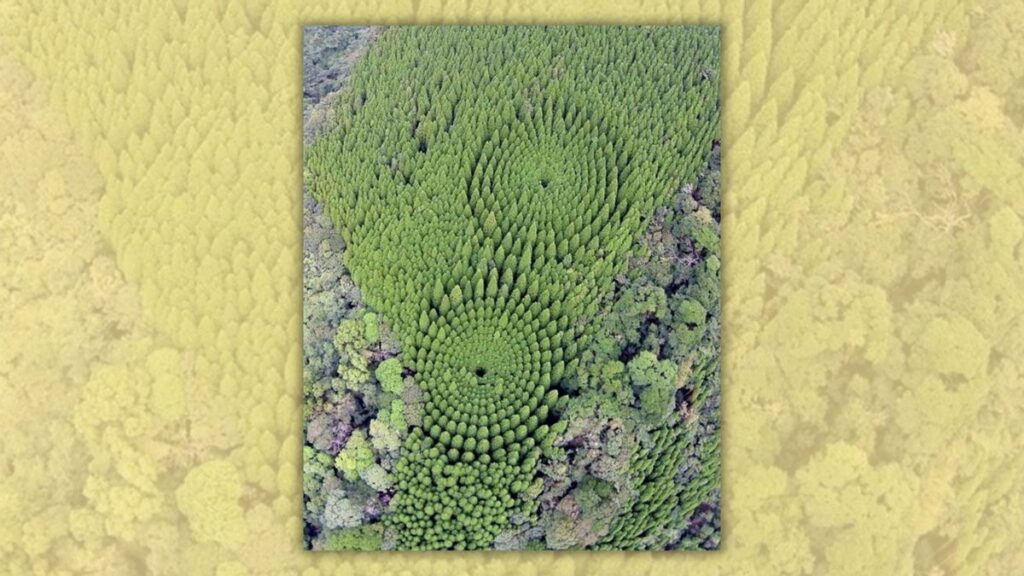
A viral photograph of trees arranged in concentric circles resurfaced online in 2026, sparking widespread speculation about its origin and purpose. The image, which appeared on platforms such as Instagram, Facebook, Pinterest, and X, was accompanied by claims that it depicted an experimental forestry project in Japan that had been in place for decades. One Reddit post from September 2026 claimed, ‘In 1973 Japan planted trees in concentric circles as part of an experiment in forestry spacing. This is what they look like today from above.’ The post, now archived, was one of many that circulated the image and generated public interest.
The photograph itself showed a clear pattern of Japanese cedar trees growing in two distinct groups of concentric circles within a national forest near Nichinan, Miyazaki Prefecture. The visual anomaly drew attention due to its unusual geometric arrangement, leading some to speculate about secret experiments or even extraterrestrial activity. The image had previously circulated in 2018 and again in 2024, but its resurgence in 2026 reignited debates about its authenticity and historical significance.
The Details & Investigation
The photograph in question is not new; it dates back to at least December 2018. According to the Miyazaki Southern Forest Management Office, a regional office of Japan’s Forestry Agency, the trees were deliberately planted in concentric circles as part of a long-term forestry experiment initiated in fiscal year 1973. The experiment aimed to study the effects of different planting densities on tree growth and wood quality. The trees were arranged in various patterns, with distances between them ranging from 377 to 10,027 trees per hectare, resulting in the distinctive circular formations visible from above.
Historical records confirm that the experiment was established in March 1974, with Obi cedar seedlings being planted in the area. The site, located at coordinates 31°43’50.0″N, 131°23’05.0″E, has been documented in multiple sources, including Japanese news outlet Sankei News, which first published the image in 2018. The photograph also appeared in The Associated Press’ image archive and was later shared widely on social media platforms. A 2011 study conducted by researchers at the Miyazaki Southern Forest Management Office concluded that planting densities of around 2,000 to 2,800 trees per hectare were optimal for cost-effective forestry. A final report completed in fiscal year 2023 further supported the findings, indicating that lower planting densities could improve financial returns and afforestation efficiency.
📄 POLICY WIRE WHITEPAPER PUBLISHED: PAKISTAN’S NATIONAL SECURITY POLICY PRIORITIES
The claim surrounding the image does not constitute disinformation, as there is no evidence of deliberate deception or coordinated manipulation. Instead, the viral spread of the photograph appears to be a case of misinformation—specifically, the misattribution of the image’s timeline and the lack of context regarding its origin. While the image itself is authentic, the narrative that it represents a centuries-old mystery or a secret government experiment lacks supporting evidence. The original claim that the trees were planted in 1973 is accurate, but the assumption that the image was newly discovered in 2026 is misleading. Verified sources, including official statements from the Miyazaki Southern Forest Management Office and historical records, confirm that the experiment and its visual characteristics have been known for over a decade.
The Verdict
The viral claim that the photo shows an experimental circular forest in Japan is largely accurate. The image is genuine, and the trees were indeed planted in concentric circles as part of a long-standing forestry experiment initiated in 1973. However, the assertion that the photo was newly discovered in 2026 is misleading. The image has been circulating online since at least 2018, and the experiment itself has been well-documented in official reports and media outlets. Therefore, the claim should be rated as TRUE, but with a note that the context of its circulation and the timeline of its rediscovery are subject to misinterpretation.
While the claim itself is factually correct, the viral nature of the image and the lack of historical context contributed to confusion among users. This case highlights the importance of verifying the provenance of viral content and understanding the broader historical and scientific background of such claims. The circular forest in Miyazaki remains a fascinating example of how forestry practices can create visually striking landscapes, but it is not a mysterious or hidden phenomenon.
Counter-misinformation & disinformation investigation conducted by PolicyWire Editorial Desk (PW).