


America’s Missile Dilemma: A Deep Dive into the Military Arsenal Crisis
Examining U.S. missile shortages, production challenges, and war costs amid rising tensions with Iran and China.

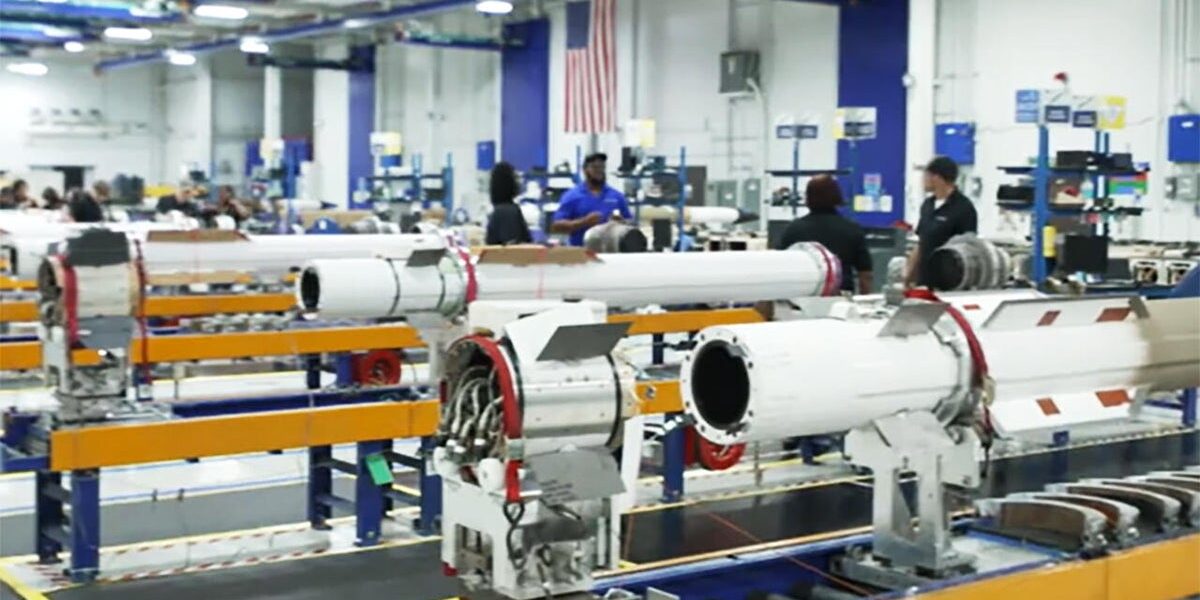
POLICY WIRE — Camden, Arkansas — At a Lockheed Martin facility in Arkansas, Tim Cahill, head of the company’s missile division, showcased the latest Patriot air defense missile, designed to intercept ballistic threats by direct impact.
Cahill emphasized that each missile, costing around $4 million, is engineered to “vaporize” any target it strikes. However, the current annual production of 750 units falls short of the estimated 1,500 fired during the conflict with Iran, raising concerns about stockpile sustainability.
Mark Cancian of the Center for Strategic and International Studies highlighted the staggering $25 billion spent on munitions used against Iran, including the Patriot, Tomahawk, THAAD, and PrSM systems. He warned that while the U.S. has enough weapons for a war with Iran, the challenge lies in preparing for a prolonged conflict with China, where supplies could run low after just a few months.
The war in Ukraine served as a wake-up call, exposing long-standing shortages in high-tech weaponry that both Democratic and Republican administrations overlooked. Since the U.S. launched attacks on Iran in February, military leaders reported striking over 13,000 targets, significantly depleting existing reserves.
📄 POLICY WIRE WHITEPAPER PUBLISHED: PAKISTAN’S NATIONAL SECURITY POLICY PRIORITIES
Despite Pentagon claims that ammunition shortages are exaggerated, Defense Secretary Pete Hegseth has urged industry to ramp up production to a wartime footing. Lockheed Martin plans to boost Patriot missile output from 750 to 2,000 annually by increasing automation and shifts, though the process remains complex due to reliance on hundreds of suppliers.
One critical component, the rocket motor, is produced by L3Harris under strict safety protocols. The curing process for the fuel can take days or weeks, further slowing production. The company is expanding its facilities but still faces bottlenecks, particularly with parts like nozzles and cones that are often sourced from single suppliers.
In contrast, CoAspire, a startup led by Doug Denneny, is developing affordable cruise missiles using commercial components. These cost around $200,000 each and are designed for mass production. Denneny argues that even with lower performance, a large number of these missiles could overwhelm sophisticated air defenses, and the Pentagon plans to purchase 10,000 of them.
Rebuilding pre-war stockpiles, according to Cancian, could take one to five years depending on the type of munition. Even after reaching baseline levels, it may take several more years to prepare for a potential conflict with China, underscoring the long-term challenges facing U.S. defense planning.
Reporting by Policy-Wire (PW)