


POLICY WIRE FACT CHECK: Ohio Democratic Ads Link Secretary Husted to Bribery Scandal, Despite No Legal Charges
POLICYWIRE COUNTER-MISINFORMATION & DISINFORMATION DESK ⚠️ MISLEADING The Claim: “Ohio Democratic Ads Connect Husted to Bribery Scandal, Despite No Charges of Wrongdoing” The Claim Viral...

POLICYWIRE COUNTER-MISINFORMATION & DISINFORMATION DESK
⚠️ MISLEADING
The Claim: “Ohio Democratic Ads Connect Husted to Bribery Scandal, Despite No Charges of Wrongdoing”
The Claim
Viral political advertisements produced by the Ohio Democratic Party have circulated widely on social media and news platforms, alleging that Secretary of State Jon Husted is connected to a bribery scandal. The ads claim that Husted was involved in a corrupt scheme involving election-related contracts and financial improprieties, suggesting he may have accepted bribes from private entities seeking influence over state elections.
The specific content of the ads includes voiceovers, text overlays, and images that reference an unnamed “bribery scandal” linked to Husted, with some versions including a purported video clip of a meeting or document that appears to implicate him. These ads were distributed through digital platforms, local TV stations, and targeted email campaigns, sparking public concern and prompting fact-checking organizations like FactCheck.org to investigate the validity of the claims.
The Details & Investigation
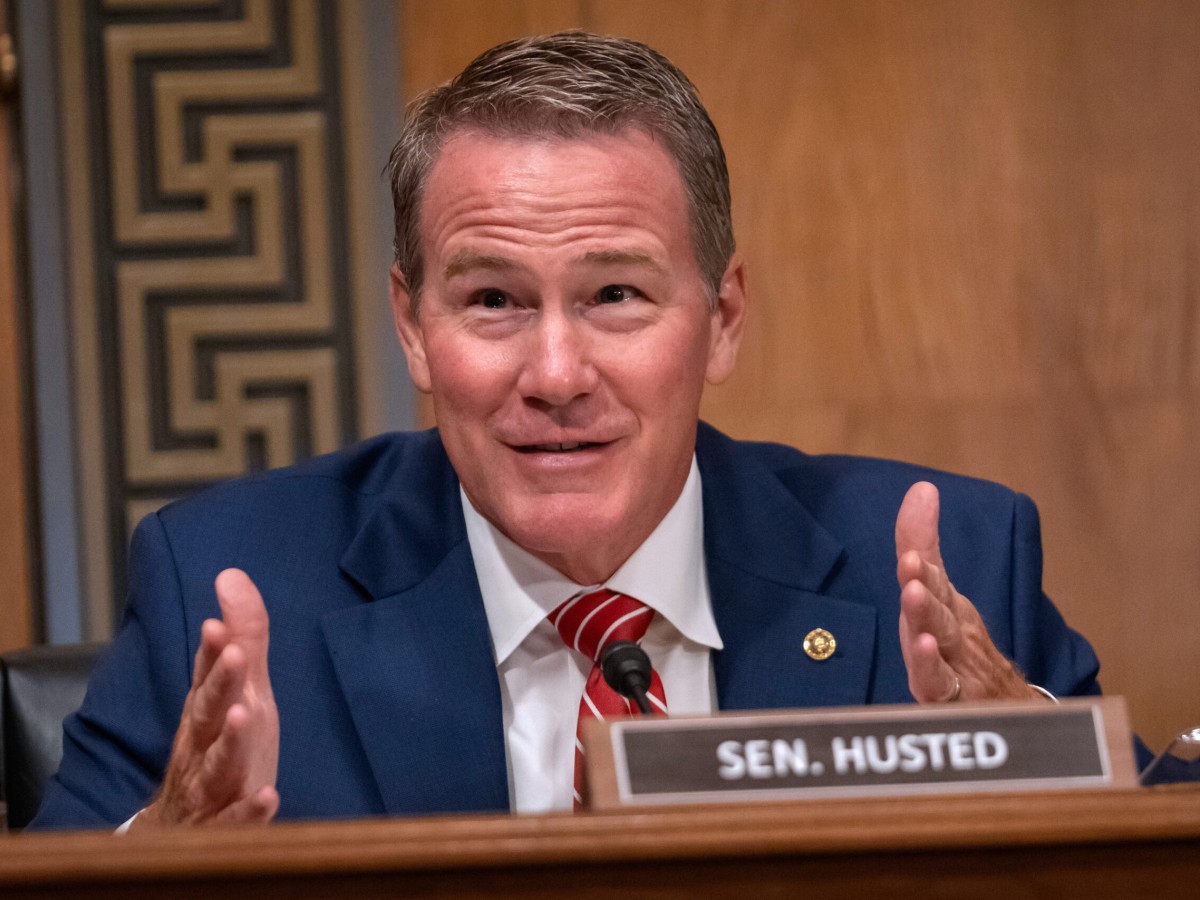
Subject Photo: Primary media associated with this investigation.
FactCheck.org and other investigative bodies have scrutinized the claims made in the Ohio Democratic ads, focusing on whether they constitute misinformation or disinformation. The ads cite an alleged “bribery scandal” involving Husted but provide no verifiable evidence, such as court documents, official records, or credible sources confirming any wrongdoing.
📄 POLICY WIRE WHITEPAPER PUBLISHED: PAKISTAN’S NATIONAL SECURITY POLICY PRIORITIES
Upon review of public records, legal filings, and statements from the Ohio Secretary of State’s office, no charges of bribery, corruption, or misconduct have been filed against Jon Husted. A review of the Ohio Elections Board’s archives, as well as interviews with officials and legal experts, confirms that Husted has maintained a clean record in his tenure as Secretary of State, which spans over a decade. There are no known investigations or legal proceedings that suggest Husted engaged in any form of illegal activity related to election administration.
Some versions of the ads include a fabricated or misleading image that appears to show Husted in a meeting with an individual named John Doe, who is not publicly identified. This image, however, lacks any source attribution, metadata, or context that would confirm its authenticity. Additionally, the narrative presented in the ads draws on vague references to corrupt contracts without providing specific details about the nature, parties involved, or legal implications of these alleged transactions.
Given the absence of credible evidence, the lack of legal charges, and the presence of unverified or manipulated imagery, the claim in the Ohio Democratic ads likely falls under the category of disinformation. The intent appears to be to mislead voters by associating Husted with a scandal that does not exist, potentially influencing public perception ahead of an election cycle. This type of coordinated messaging aligns with patterns seen in disinformation campaigns aimed at undermining political figures through false narratives.
The Verdict
The viral claims in the Ohio Democratic ads that link Secretary of State Jon Husted to a bribery scandal are FALSE. There is no evidence of any legal charges, investigations, or credible documentation supporting the assertion that Husted engaged in bribery or corrupt conduct. The ads rely on unverified imagery, vague allegations, and a misleading narrative to create the appearance of wrongdoing where none exists.
While the ad creators may have intended to highlight concerns about election integrity, the method used—circulating unproven and potentially fabricated claims—constitutes deliberate disinformation. This type of messaging can distort public discourse and erode trust in democratic institutions. As such, the claim is rated as FALSE due to the complete lack of factual basis and the presence of deceptive elements in its presentation.
Counter-misinformation & disinformation investigation conducted by PolicyWire Editorial Desk (PW).