


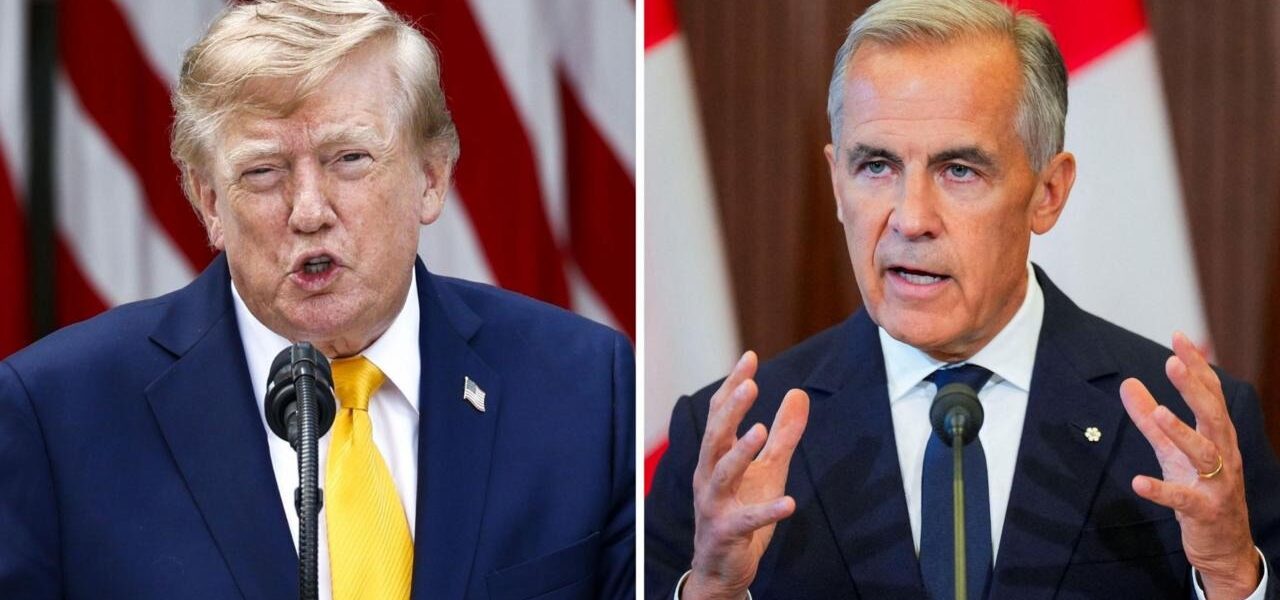
Canada’s Economic Retaliation: Assessing Potential Impact on US and Trump Administration
POLICY WIRE — Ottawa, Canada — As tensions rise in the ongoing trade dispute between Canada and the United States, questions emerge about the leverage Canada holds and the potential retaliatory...

POLICY WIRE — Ottawa, Canada — As tensions rise in the ongoing trade dispute between Canada and the United States, questions emerge about the leverage Canada holds and the potential retaliatory measures it might employ. With approximately 70% of Canadian goods exported to the US, the nation’s economic response could have significant implications for both countries.
Canada has signaled its intent to unveil retaliatory tariffs against the US amid the escalating trade war. These measures are expected to target various American products, aiming to pressure Washington into reconsidering its stance. The Canadian government has been discreet about the specifics, but the potential impact on US industries is a topic of intense speculation.
The US-Canada trade relationship is deeply intertwined, with both nations relying heavily on each other for a wide array of goods and services. Any disruption in this flow could have cascading effects, particularly in sectors such as agriculture, automotive, and energy. For instance, the US dairy industry, which has already faced challenges, could see further strain if Canada imposes tariffs on American dairy products.
Moreover, the automotive sector, a cornerstone of both economies, stands to be significantly affected. Canada is a critical supplier of parts and vehicles to the US market. Retaliatory tariffs could increase costs for American automakers, potentially leading to higher prices for consumers and reduced competitiveness in global markets.
The energy sector is another area of concern. Canada is one of the largest suppliers of oil and natural gas to the US. Any tariffs or restrictions on these exports could lead to supply shortages and price increases in the US, impacting everything from fuel costs to manufacturing expenses.
In addition to sector-specific impacts, the broader economic relationship between the two nations is at stake. The US and Canada share the world’s largest bilateral trade relationship, with total trade exceeding $600 billion annually. Disruptions could lead to a decrease in economic growth and increased uncertainty for businesses on both sides of the border.
📄 POLICY WIRE WHITEPAPER PUBLISHED: PAKISTAN'S NATIONAL SECURITY POLICY PRIORITIES
👉 READ BY CLICKING HEREThe Trump administration’s approach to trade has been characterized by a series of aggressive measures aimed at renegotiating existing agreements and imposing tariffs on various imports. Canada’s response is part of a broader global reaction to these policies, with several countries implementing their retaliatory tariffs against the US.
As Canada prepares to announce its retaliatory measures, the focus will be on how the US responds. The potential for a full-blown trade war looms large, with both nations needing to navigate the complex interplay of economic interests and political pressures.
Reporting by Policy-Wire (PW)
📖 GET YOUR FREE COPY NOW OF POLICY WIRE DIGITAL MAGAZINE JULY 2026 EDITION