


Experts Clarify: Recent Global Earthquake Surge Is Within Normal Range
POLICY WIRE — London, UK — This summer has seen a notable increase in large-scale earthquakes across various regions, including Colombia, Venezuela, Japan, Indonesia, Spain, and Mexico. Despite the...

POLICY WIRE — London, UK — This summer has seen a notable increase in large-scale earthquakes across various regions, including Colombia, Venezuela, Japan, Indonesia, Spain, and Mexico. Despite the heightened activity, seismologists assure the public that this surge is consistent with normal geological patterns.
“The recent earthquakes, though significant, fall within the expected range of seismic activity for these regions,” said Dr. Jane Mitchell, a leading seismologist at the Geological Survey Institute. “Earthquakes are a natural part of the Earth’s dynamic processes, and while they can be devastating, they are not uncommon.”
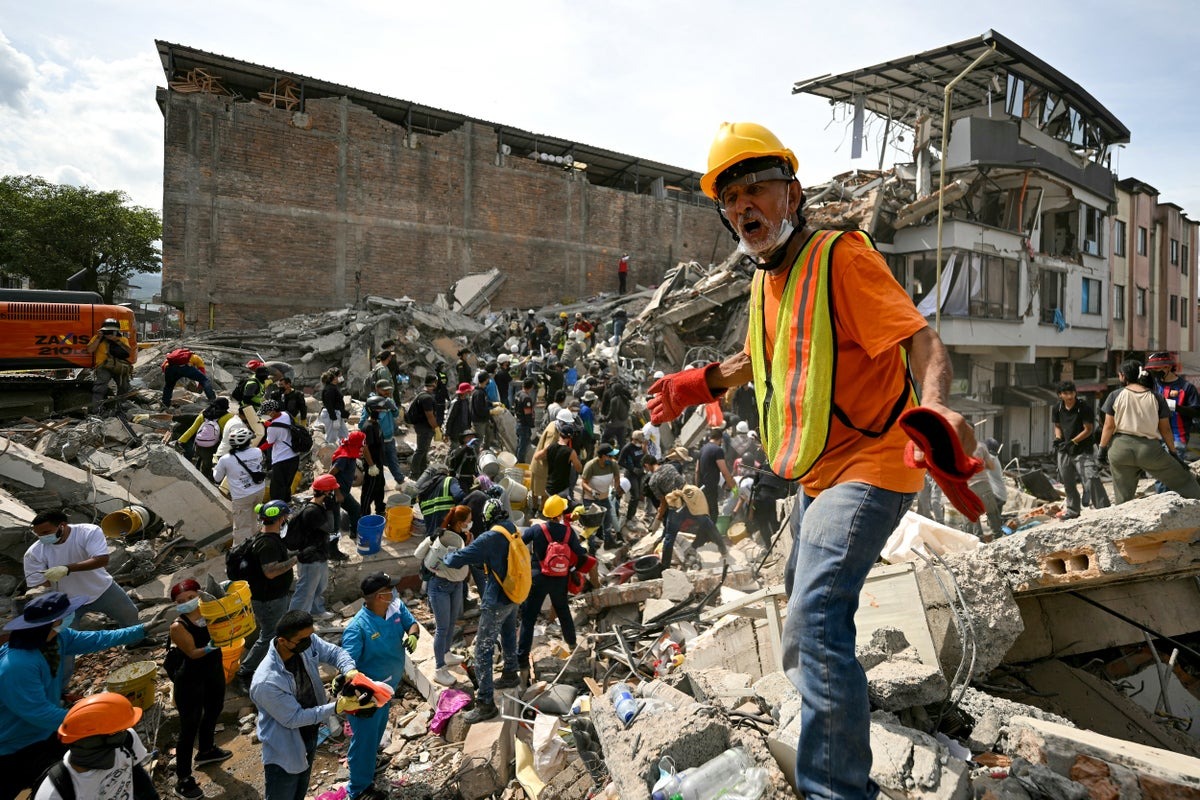
The earthquakes have varied in magnitude, with some reaching up to 7.0 on the Richter scale. In Colombia, a 6.8 magnitude quake struck near the border with Venezuela, causing structural damage and prompting evacuations. Similarly, Japan experienced a 7.0 magnitude earthquake off its eastern coast, triggering tsunami warnings.
Indonesia, a country frequently affected by seismic activity due to its location on the Pacific Ring of Fire, recorded a 6.5 magnitude earthquake in its western region. Spain and Mexico also felt the tremors, with significant quakes impacting their southern areas.
“it is important for the public to understand that while these events can be alarming, they are part of the Earth’s natural behavior,” continued Dr. Mitchell. “Our monitoring systems are in place to provide early warnings and ensure safety measures are implemented effectively.”
Governments and emergency services in the affected regions have been proactive in responding to the earthquakes. In Japan, authorities quickly issued tsunami alerts and coordinated evacuations. Similarly, Colombia and Venezuela worked together to manage the cross-border impact of their quake.
The surge in seismic activity has prompted renewed focus on earthquake preparedness and resilience. Experts emphasize the importance of building codes, early warning systems, and public education in mitigating the impact of future earthquakes.
“We must continue to invest in infrastructure that can withstand seismic events and educate communities on how to respond effectively,” said Dr. Antonio Reyes, a disaster management specialist. “Preparedness saves lives.”
As the world continues to experience these natural phenomena, the consensus among experts remains clear: while earthquakes are unpredictable, understanding and preparing for them can significantly reduce their impact.
Reporting by Policy-Wire (PW)