


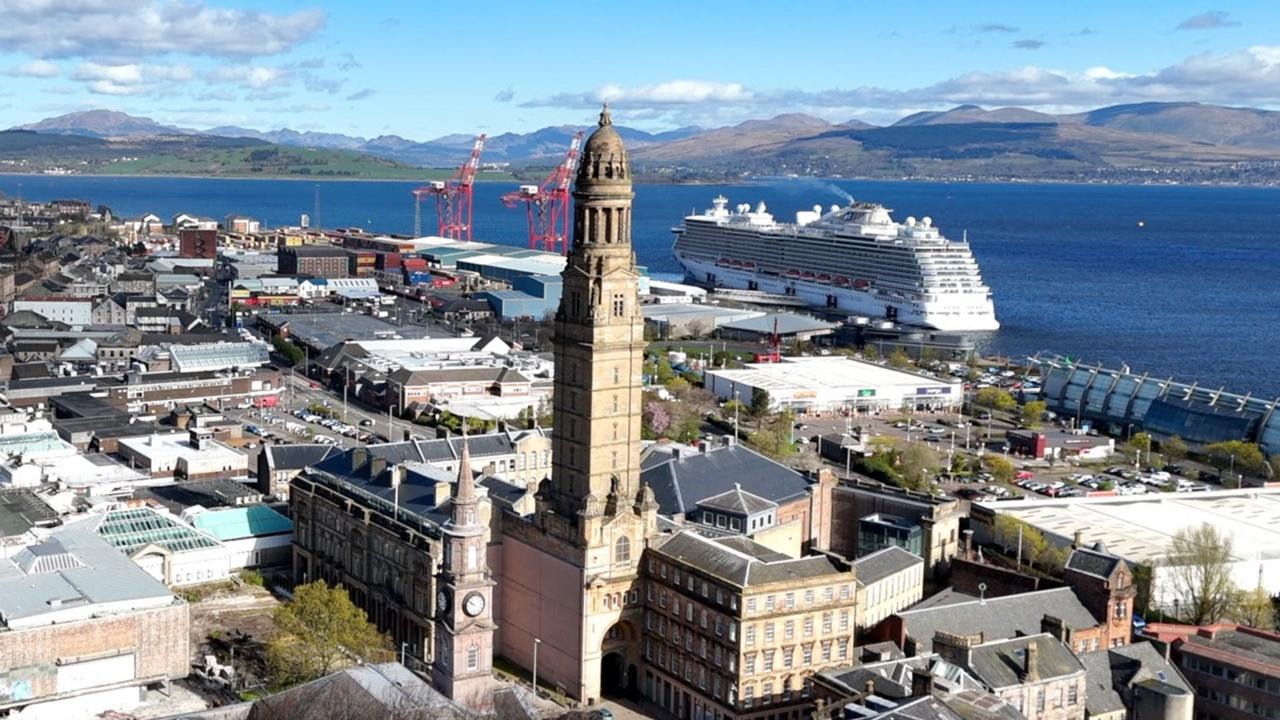
Greenock Council Aims to Reverse Population Decline by Attracting Immigrants
POLICY WIRE — Greenock, Scotland — The Greenock council has announced plans to attract immigrants to settle in the town in an effort to reverse its declining population. The initiative aims to bring...

POLICY WIRE — Greenock, Scotland — The Greenock council has announced plans to attract immigrants to settle in the town in an effort to reverse its declining population. The initiative aims to bring new residents to the area, thereby revitalizing the local economy and community.
The council’s strategy includes offering incentives for immigrants to move to Greenock, such as job opportunities, housing assistance, and community integration programs. Local officials believe that a diverse population will contribute to the town’s cultural enrichment and economic growth.
“We are committed to making Greenock a welcoming place for immigrants. By attracting new residents, we aim to create a vibrant and sustainable community,” said a council spokesperson.
The town has seen a steady decline in population over the past decade, leading to economic challenges and a strain on local services. The council hopes that this new approach will help stabilize and eventually increase the population.
Community reactions to the plan have been mixed. Some residents support the initiative, viewing it as a necessary step to rejuvenate the town. Others express concerns about the potential impact on local resources and services.
The council is set to launch a public consultation to gather feedback from residents and stakeholders on the proposed immigration plan. This will include discussions on the types of support and resources needed to successfully integrate new immigrants into the community.
As the council moves forward with its plans, it will also need to navigate the broader UK immigration policies and ensure that its initiatives align with national regulations.
Reporting by Policy-Wire (PW)