


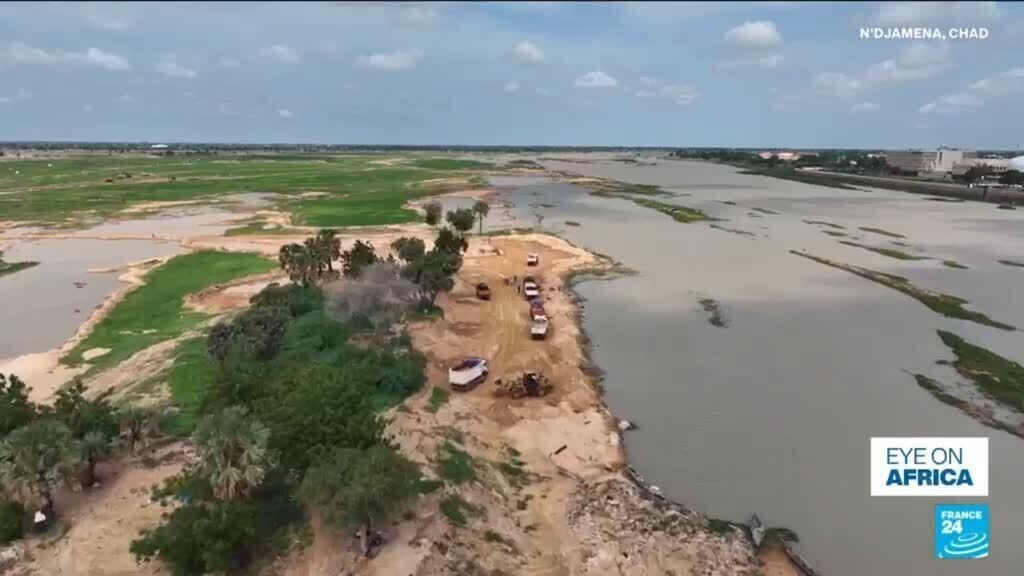
Chad Imposes Sand Extraction Ban Along Chari River Amid Controversy
POLICY WIRE — N’Djamena, Chad — The Chadian government has implemented a ban on sand extraction along the Chari River, a decision aimed at preserving the environment and safeguarding local...

POLICY WIRE — N’Djamena, Chad — The Chadian government has implemented a ban on sand extraction along the Chari River, a decision aimed at preserving the environment and safeguarding local wildlife. The Ministry of Mines announced the prohibition, citing severe ecological damage caused by years of intensive sand mining, particularly around the capital, N’Djamena.
The ban has elicited a strong reaction from the local population. Thousands of residents in N’Djamena rely on sand mining as a primary source of income. The sudden halt in this practice has raised concerns about the economic repercussions for these communities.
Environmental experts have long warned about the detrimental effects of unchecked sand extraction. The Chari River, a vital water source for the region, has suffered from reduced water quality and increased erosion. Wildlife habitats have also been disrupted, leading to a decline in local biodiversity.
Despite the environmental benefits, the ban has faced pushback from sand miners and local business owners. Protests have erupted in N’Djamena, with demonstrators calling for alternative solutions to support those affected by the prohibition.
The Ministry of Mines has indicated that it is exploring potential compensatory measures for those impacted by the ban. However, details on these plans remain scarce, leaving many in uncertainty about their future livelihoods.
📄 POLICY WIRE WHITEPAPER PUBLISHED: PAKISTAN’S NATIONAL SECURITY POLICY PRIORITIES
This development comes amid growing global attention to environmental conservation efforts. Countries worldwide are grappling with the balance between economic activities and ecological preservation, often leading to contentious policy decisions.
Reporting by Policy-Wire (PW)