


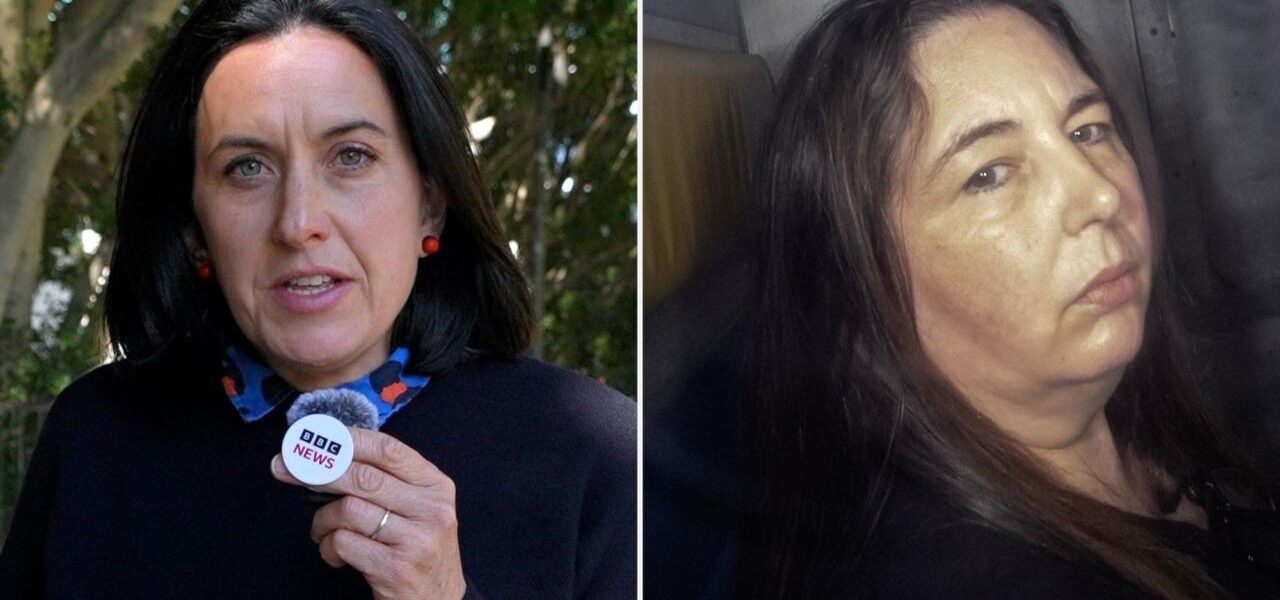
Erin Patterson Seeks to Overturn Triple-Murder Conviction in Australian Court
POLICY WIRE — Sydney, Australia — Erin Patterson, the woman convicted of the 2019 triple-murder involving the serving of poisonous mushrooms, is back in court this week. Patterson is attempting to...

POLICY WIRE — Sydney, Australia — Erin Patterson, the woman convicted of the 2019 triple-murder involving the serving of poisonous mushrooms, is back in court this week. Patterson is attempting to overturn her conviction, claiming new evidence has come to light that could exonerate her.
The case has drawn significant attention since its inception, with Patterson being found guilty of causing the deaths of three individuals by poisoning them with death cap mushrooms. The victims, who were part of a mushroom foraging group, consumed the toxic fungi, leading to their untimely deaths.
During the initial trial, Patterson maintained her innocence, arguing that the contamination was accidental. The prosecution, however, presented evidence suggesting that Patterson had knowledge of the mushrooms’ toxicity and intentionally served them to the victims.
In recent developments, Patterson’s legal team has submitted new forensic evidence, which they claim was not available during the original trial. This evidence purportedly shows that the mushrooms in question were contaminated by a third party, thereby absolving Patterson of any wrongdoing.
The court will now review this new evidence to determine whether it is substantial enough to warrant a retrial. Legal experts are closely watching the case, as a successful appeal could set a precedent for other cases involving circumstantial evidence and forensic science.
📄 POLICY WIRE WHITEPAPER PUBLISHED: PAKISTAN’S NATIONAL SECURITY POLICY PRIORITIES
Patterson’s case has also sparked a broader discussion about the reliability of forensic evidence in criminal trials and the need for stringent protocols to prevent contamination and misidentification of samples.
Reporting by Policy-Wire (PW)