


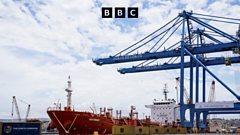
Global Trade Demonstrates Resilience Amid Tariffs and Trade Restrictions
POLICY WIRE — London, UK — Despite escalating tariffs and stringent trade restrictions, global trade has shown remarkable resilience. This phenomenon has puzzled economists and policymakers alike,...

POLICY WIRE — London, UK — Despite escalating tariffs and stringent trade restrictions, global trade has shown remarkable resilience. This phenomenon has puzzled economists and policymakers alike, prompting a closer examination of the underlying factors contributing to this sustained robustness.
The implementation of tariffs by major economies, particularly the United States and China, was expected to disrupt global supply chains and dampen international trade. However, data indicates that global trade volumes have remained relatively stable. According to the World Trade Organization (WTO), global merchandise trade volume increased by 1.2% in the first quarter of 2023 compared to the previous year.
Several factors have been identified as contributors to this resilience. Firstly, businesses have demonstrated a remarkable ability to adapt. Companies have diversified their supply chains to mitigate the impact of tariffs. For instance, many manufacturers have shifted production to alternative locations to avoid high tariff costs, thereby maintaining their global operations.
Secondly, technological advancements have played a crucial role. The increased use of digital platforms for trade has streamlined processes, reducing dependency on traditional trade routes and methods. E-commerce has surged, providing new avenues for businesses to reach international markets without the constraints of physical tariffs.
Additionally, regional trade agreements have provided a buffer against global uncertainties. The Comprehensive and Progressive Agreement for Trans-Pacific Partnership (CPTPP) and the Regional Comprehensive Economic Partnership (RCEP) are examples of frameworks that have bolstered trade among participating countries, offering alternatives to disrupted global trade routes.
Governments have also implemented measures to support domestic industries affected by tariffs. Subsidies, tax incentives, and other forms of financial assistance have been provided to help businesses navigate the challenges posed by trade restrictions.
Experts warn, however, that the resilience of global trade should not be taken for granted. Prolonged trade tensions could eventually lead to a slowdown if businesses are unable to continue adapting. The International Monetary Fund (IMF) has cautioned that escalating trade wars could lead to a significant decline in global economic growth.
, the resilience of global trade in the face of tariffs and trade restrictions is a the adaptability of businesses and the evolving nature of international commerce. However, sustained trade tensions pose a threat to this stability, underscoring the need for diplomatic solutions and cooperative trade policies.
Reporting by Policy-Wire (PW)