


Evaluating the Efficacy of Food Tracking Apps for Healthier Diets
POLICY WIRE — London, UK — The surge in popularity of food tracking apps has raised questions about their effectiveness in promoting healthier eating habits. These applications, designed to monitor...

POLICY WIRE — London, UK — The surge in popularity of food tracking apps has raised questions about their effectiveness in promoting healthier eating habits. These applications, designed to monitor daily food intake, have become a staple for individuals aiming to improve their diets. However, the actual impact of these tools on long-term health remains a subject of debate.
Food tracking apps allow users to log their meals, providing detailed insights into nutritional intake. Proponents argue that this heightened awareness can lead to better dietary choices and improved health outcomes. “Tracking your food can make you more conscious of what you’re eating and help you make healthier decisions,” said Dr. Emily Watson, a nutritionist based in London.
A study published in the Journal of the Academy of Nutrition and Dietetics found that individuals who used food tracking apps were more likely to meet their daily nutritional goals compared to those who did not. The research highlighted that consistent use of these apps could lead to significant improvements in diet quality over time.
However, not all experts are convinced of their benefits. Critics point out that reliance on these apps can lead to an unhealthy obsession with food and calories. “While food tracking can be useful, it can also contribute to disordered eating patterns if not approached mindfully,” warned Dr. Alan Green, a psychologist specializing in eating disorders.
Moreover, the accuracy of data entered into these apps can vary widely. Users may underestimate or overestimate portion sizes, leading to misleading information about their actual intake. “The data quality in these apps is only as good as the information users provide,” noted Dr. Watson. “Inaccurate logging can undermine the effectiveness of these tools.”
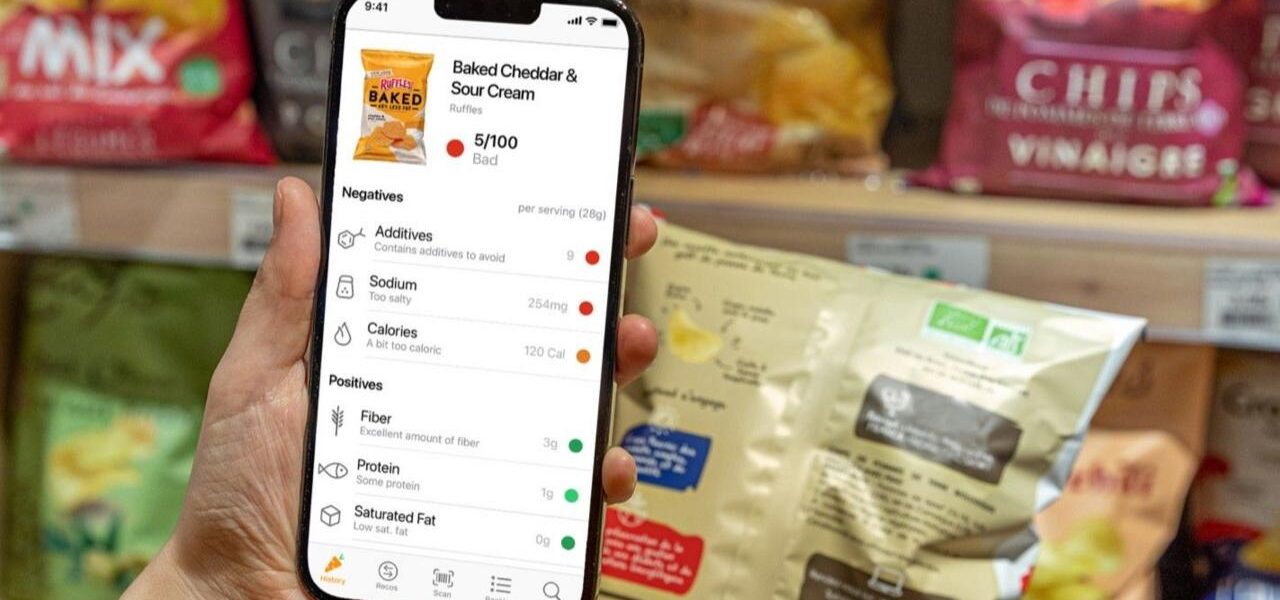
Despite these concerns, the market for food tracking apps continues to grow. Companies are increasingly integrating advanced features such as barcode scanning, meal planning, and integration with wearable devices to enhance user experience. These innovations aim to provide more comprehensive and convenient ways to monitor dietary habits.
For those considering using food tracking apps, experts recommend a balanced approach. “it is important to use these apps as a tool for awareness rather than a strict regimen,” advised Dr. Green. “Combining app usage with regular check-ins with a nutritionist can help ensure a healthy relationship with food.”
As the debate continues, one thing is clear: the role of food tracking apps in promoting healthier diets is complex and multifaceted. While they offer valuable insights and encouragement, users must navigate their use carefully to avoid potential pitfalls.
Reporting by Policy-Wire (PW)
📖 GET YOUR FREE COPY NOW OF POLICY WIRE DIGITAL MAGAZINE JULY 2026 EDITION