

Nationwide Transport Strike Disrupts Pakistan’s Industrial and Export Supply Chains
POLICY WIRE — Karachi, Pakistan — A nationwide strike by goods transporters and oil tankers has begun to severely impact Pakistan’s industrial and export supply chains. The protest, which...

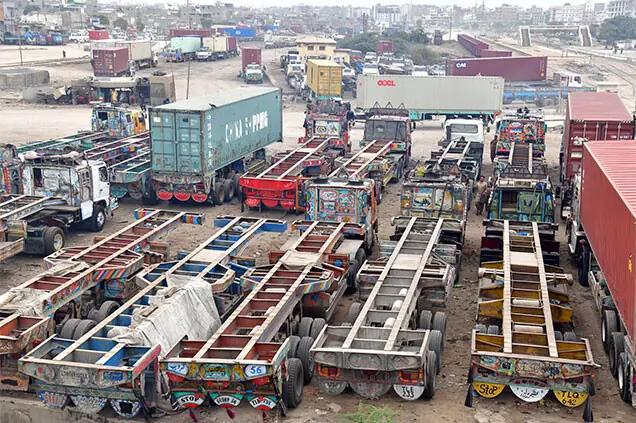
POLICY WIRE — Karachi, Pakistan — A nationwide strike by goods transporters and oil tankers has begun to severely impact Pakistan’s industrial and export supply chains. The protest, which commenced on Saturday, shows no signs of abating until the transporters’ demands are addressed in talks scheduled with government officials on Monday.
Pakistan Goods Transporters Alliance Chairman Nisar Hussain Jafry confirmed that the strike would persist. “Our countrywide strike will continue as our leadership intends to meet the ministers concerned with petroleum, transport, and ports on Monday,” he stated. Jafry noted that over 400,000 goods-carrying vehicles had suspended operations, significantly disrupting cargo movement to and from the country’s ports.
Transporters are protesting against several issues, primarily the government’s recently introduced daily fuel price mechanism. Jafry criticized the system, stating, “We’re dissatisfied with the daily fuel price fixation introduced by the government, which is only creating problems.” The unpredictability of fuel prices makes it difficult for transporters and industries to commit to transportation charges, further complicating the situation.
In addition to the fuel price mechanism, transporters are demanding a reduction in the withholding tax from 7% to 2%, restoration of the monthly fuel price mechanism, and addressing the high toll rates at numerous toll plazas established approximately every 30 kilometers. They’re also seeking solutions for the parking of heavy vehicles near ports — and issues related to driving licenses.
Industrialists have expressed grave concerns over the strike’s impact. SITE Association of Industry President Abdul Rehman Fudda warned that the disruption in the supply of raw materials could paralyze factories, derail production schedules, and jeopardize export commitments. “The entire production system depends on the timely supply of raw materials — and delivery of finished goods. If factories fail to receive essential inputs, production will stall,” Fudda said.
Fudda further cautioned that delays in dispatching finished products would exacerbate financial stress for industries. He urged the government to intervene urgently to resolve the dispute through negotiations with goods transporters. “Authorities must act before the situation escalates to the point where the country’s industry and supply chain collapse entirely. If the strike prolongs, the damage will extend beyond manufacturers — affecting exports, jobs, and overall economic activity,” he emphasized.
📄 POLICY WIRE WHITEPAPER PUBLISHED: PAKISTAN’S NATIONAL SECURITY POLICY PRIORITIES
The export sector, already facing multiple challenges, could suffer severe consequences if consignments fail to reach buyers on time. Industries might face penalties, price cuts, or claims for damages, further straining an already vulnerable sector.
Reporting by Policy-Wire (PW)