


US Announces Strategic Minerals Deals to Counter China’s Dominance
POLICY WIRE — Washington, DC — The United States announced several critical minerals agreements with multiple mining companies on Friday, marking a significant effort to reduce reliance on China for...

POLICY WIRE — Washington, DC — The United States announced several critical minerals agreements with multiple mining companies on Friday, marking a significant effort to reduce reliance on China for the production and processing of strategic materials.
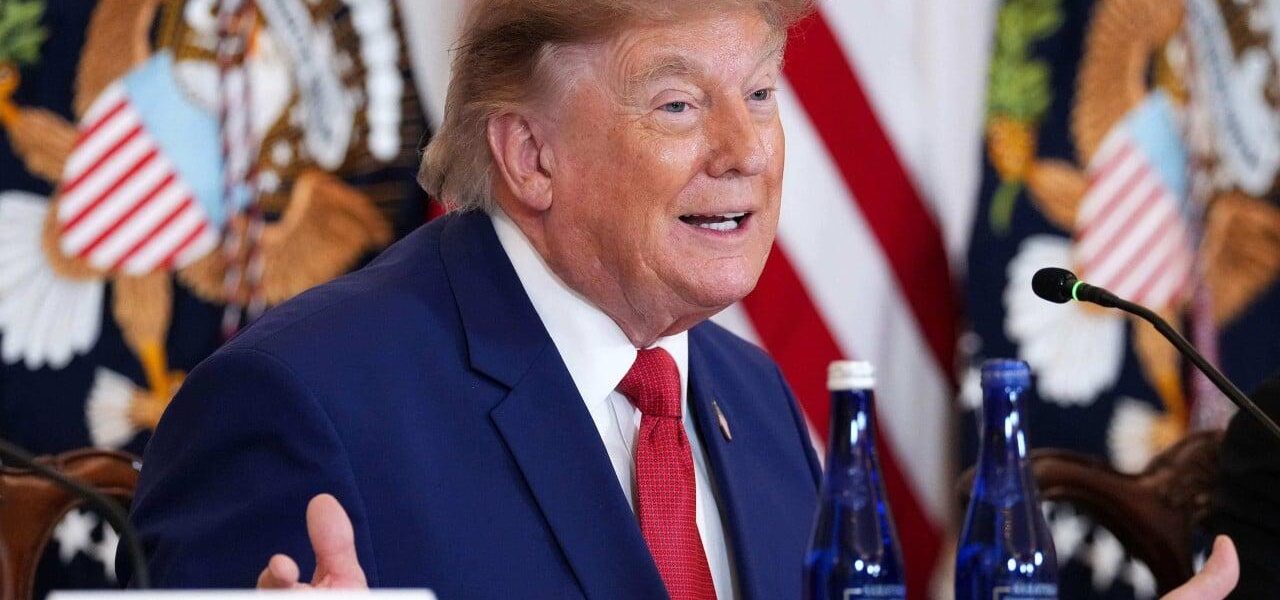
During a round table with global mining industry executives at the State Department, US President Donald Trump stated that his administration would ensure America is “never again reliant on hostile foreign nations for the resources our country needs to thrive.” Although China was not explicitly mentioned, the context and recent geopolitical tensions suggest the primary target of these efforts.
The agreements aim to secure a stable supply of critical minerals, which are essential for various high-tech industries, including electronics, renewable energy, and defense. These materials include rare earth elements, lithium, cobalt, — and nickel, among others.
“This is a critical step toward ensuring our nation’s security and economic stability,” said a senior administration official, who spoke on the condition of anonymity. “We cannot allow our adversaries to hold us hostage with vital resources.”
The move comes amid growing concerns over China’s control of the global supply chains for these minerals. China currently dominates the production and processing of many critical minerals, giving it significant leverage in international trade negotiations.
In recent years, the US has taken several steps to diversify its supply chains — and reduce dependence on China. This includes investing in domestic mining and processing capabilities, as well as forming alliances with other mineral-rich countries.
The newly announced agreements involve partnerships with both domestic — and international mining firms. These partnerships will focus on exploring and developing new mineral deposits, as well as improving the efficiency and sustainability of mining operations.
“We’re committed to working with our partners to ensure a secure and sustainable supply of critical minerals,” said another administration official. “These agreements are just the beginning of a broader effort to safeguard our national interests.”
📄 POLICY WIRE WHITEPAPER PUBLISHED: PAKISTAN’S NATIONAL SECURITY POLICY PRIORITIES
The announcement was met with mixed reactions from industry experts. Some praised the initiative as a necessary step to protect national security, while others expressed concerns about the feasibility and cost of reducing dependence on China.
“It’s a tall order, but one that we must undertake,” said John Smith, a minerals industry analyst. “The long-term benefits of securing our own supply chains far outweigh the short-term costs.”
The US government has also been working on legislative measures to support the critical minerals industry. This includes providing tax incentives for domestic mining and processing, as well as funding research and development in alternative materials and recycling technologies.
As the US continues to navigate its complex relationship with China, the focus on securing critical minerals is likely to remain a top priority. The success of these efforts will depend on the ability to balance economic considerations with strategic imperatives.
Reporting by Policy-Wire (PW)