


El Nio Threat: 50 Million Face Acute Hunger by Year-End
POLICY WIRE — London, UK — United Nations forecasters have issued a stark warning that the rapidly developing El Nio weather system is likely to push approximately 50 million people into acute hunger...

POLICY WIRE — London, UK — United Nations forecasters have issued a stark warning that the rapidly developing El Nio weather system is likely to push approximately 50 million people into acute hunger before the end of next year. This projection comes on the heels of ongoing severe food insecurity in 45 countries.
The UN’s dire forecast indicates that the number of individuals facing dangerous levels of hunger will significantly increase. This situation is compounded by years of drought in parts of Africa and escalating food prices driven by geopolitical tensions, notably the conflict in Iran.
“The El Nio phenomenon is expected to exacerbate existing vulnerabilities, particularly in regions already grappling with food shortages,” said a UN official. “Immediate — and coordinated global action is required to mitigate the impending crisis.”
El Nio, characterized by the warming of ocean surface temperatures in the central and eastern Pacific, typically leads to extreme weather conditions worldwide, including droughts and floods. These weather anomalies disrupt agricultural production, leading to reduced crop yields — and increased food prices.
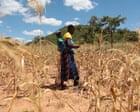
In Africa, prolonged drought conditions have devastated farmlands, leading to significant crop failures and livestock deaths. The resulting food shortages have left millions in a precarious state, reliant on humanitarian aid for survival.
the conflict in Iran has sent shockwaves through global food markets. The disruption of supply chains and increased demand for alternative sources have driven up food prices, making it increasingly difficult for vulnerable populations to afford basic necessities.
📄 POLICY WIRE WHITEPAPER PUBLISHED: PAKISTAN’S NATIONAL SECURITY POLICY PRIORITIES
Efforts to address the looming food crisis are underway, with international organizations and governments working to provide aid and support to affected regions. However, the scale of the challenge requires a sustained and collaborative approach to ensure food security for the most vulnerable populations.
Reporting by Policy-Wire (PW)