

Australia’s Little Penguin Colony Faces 40% Population Decline Due to Bird Flu
POLICY WIRE — Melbourne, Australia — The St Kilda little penguin colony in Australia is facing a significant threat from avian influenza, commonly known as bird flu. Volunteers overseeing the colony...

POLICY WIRE — Melbourne, Australia — The St Kilda little penguin colony in Australia is facing a significant threat from avian influenza, commonly known as bird flu. Volunteers overseeing the colony anticipate a population decline of between 20% and 40%, affecting up to 560 of the 1,400 penguins.
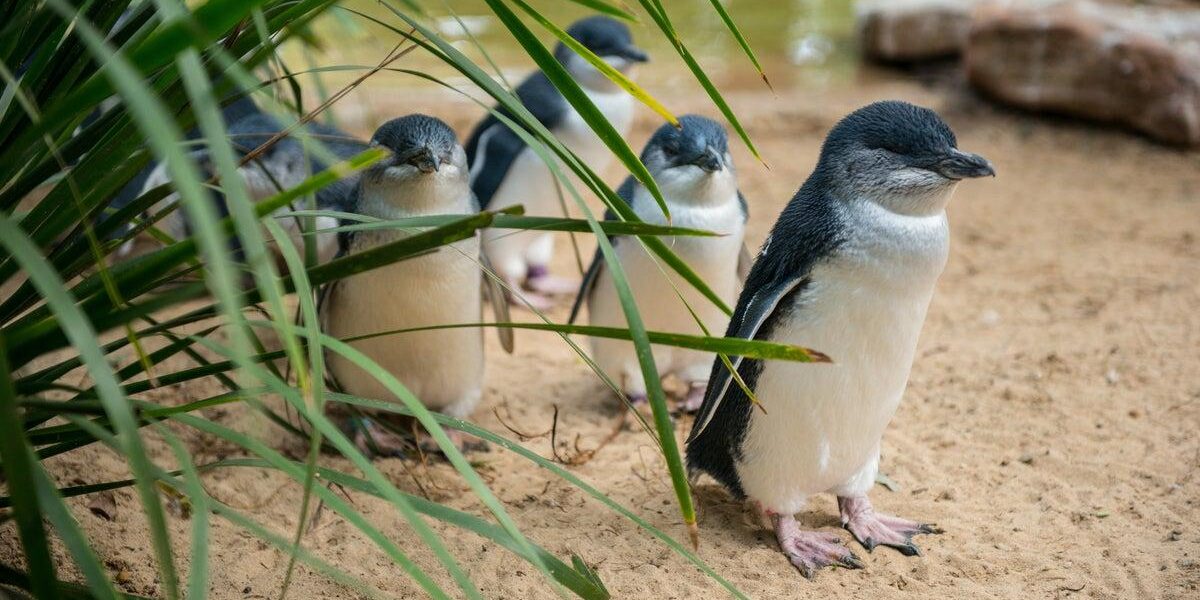
The little penguin, also known as the fairy penguin, is the smallest species of penguin and is native to the coastlines of southern Australia and New Zealand. The St Kilda colony, located in Victoria, is one of the largest in the world.
“We’re deeply concerned about the potential impact of this outbreak,” said a volunteer spokesperson. “We’re doing everything we can to monitor the situation — and provide care for the affected birds.”
Avian influenza has been detected in various bird species globally, leading to significant population declines in some areas. The virus can spread rapidly among bird populations, particularly in densely populated colonies.
Efforts are underway to contain the spread of the virus. These include increased monitoring, isolation of affected birds, — and enhanced biosecurity measures. Wildlife authorities are working closely with volunteers to implement these strategies.
The potential loss of such a large number of penguins could have long-term implications for the colony’s stability and genetic diversity. Conservationists are urging the public to support efforts to protect these vulnerable birds.
📄 POLICY WIRE WHITEPAPER PUBLISHED: PAKISTAN’S NATIONAL SECURITY POLICY PRIORITIES
For more information on conservation efforts and how to help, visit Policy-Wire.
Reporting by Policy-Wire (PW)