

Pakistan and Bangladesh Face Economic Strain Amid US-Iran Tensions
Pakistan and Bangladesh face heightened economic risks due to rising US-Iran tensions, threatening increased costs for fuel, food, and electricity.

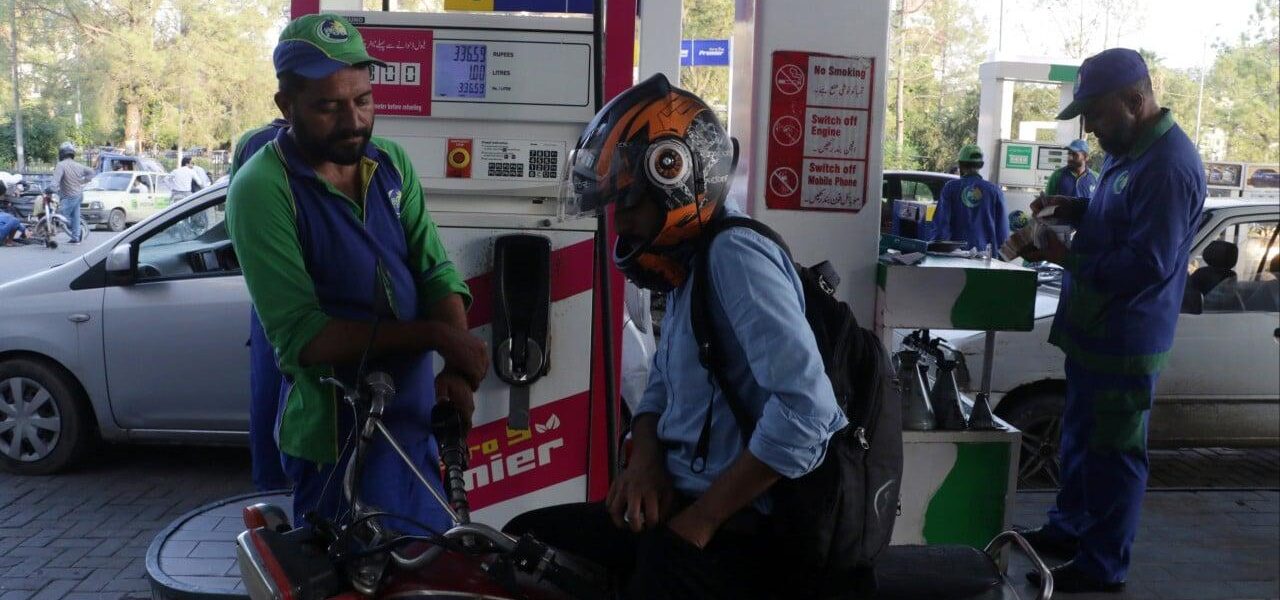
POLICY WIRE — Islamabad, Pakistan — Pakistan and Bangladesh are entering the latest phase of the US-Iran conflict with less economic cushion compared to many other Asian nations, raising the risk that another oil shock could swiftly lead to higher food, transport, and electricity costs for millions, analysts say.
Both economies rely heavily on imported fuel, making them particularly vulnerable to any prolonged spike in oil and diesel prices.
Jamus Lim, an associate professor of economics at ESSEC Business School Asia-Pacific, noted the precarious situation. “Given their dependence on imported fuel, any significant increase in oil prices will have a direct and immediate impact on the cost of living for the population in both countries,” Lim said.
The ongoing US-Iran tensions have already led to volatility in global oil markets. Any further escalation could exacerbate this volatility, placing additional strain on Pakistan and Bangladesh’s already fragile economies.
In Pakistan, the government has been grappling with a series of economic challenges, including a large current account deficit and high inflation rates. An increase in oil prices would likely worsen these issues, leading to higher costs for essential goods — and services.
Similarly, Bangladesh’s economy, which has been growing steadily in recent years, is also at risk. The country’s reliance on remittances — and garment exports makes it vulnerable to external shocks. A spike in oil prices could undermine these sectors, leading to broader economic instability.
The potential for higher fuel costs to translate into increased prices for food and electricity is particularly concerning. In both countries, a significant portion of the population lives close to the poverty line, and any increase in the cost of living could push many into deeper poverty.
Governments in both Pakistan and Bangladesh have limited fiscal space to provide relief to their populations in the event of an oil shock. This lack of fiscal buffer means that the impact of higher oil prices could be felt more acutely in these countries compared to others in the region.
📄 POLICY WIRE WHITEPAPER PUBLISHED: PAKISTAN’S NATIONAL SECURITY POLICY PRIORITIES
Analysts are calling for both governments to prepare contingency plans to mitigate the potential impact of an oil shock. This could include measures such as fuel subsidies, increased social safety nets, and efforts to diversify their energy sources.
“It’s crucial for both Pakistan — and Bangladesh to develop strategies to cope with potential oil price shocks. This includes building up foreign exchange reserves, diversifying their energy sources, and implementing social protection measures to support the most vulnerable segments of the population,” Lim added.
As the US-Iran conflict continues to unfold, the economic well-being of millions in Pakistan and Bangladesh hangs in the balance. The coming months will be critical in determining how these countries navigate the complex interplay of geopolitics and economics.
Reporting by Policy-Wire (PW)