


Reassessing America’s North Korea Strategy Amid Ongoing Korean War Tensions
Examining the necessity for a reevaluation of U.S. strategy towards North Korea as the Korean War remains unresolved, marked annually by North Korea's 'Victory Day' on July 27.

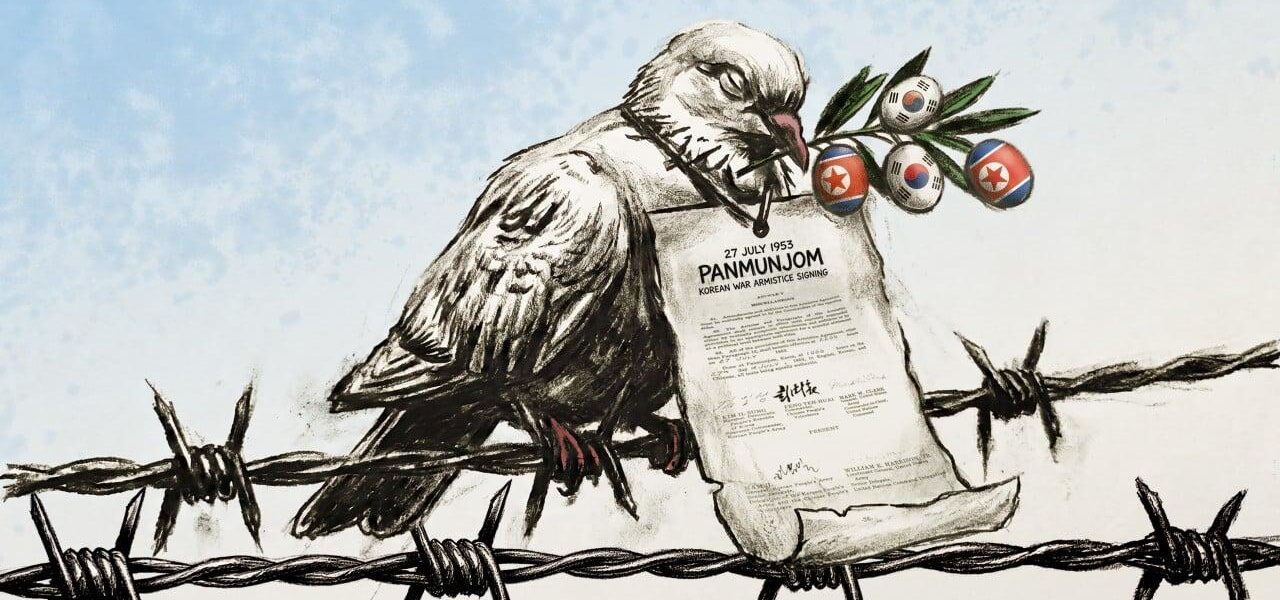
POLICY WIRE — Washington, D.C. — Each year on July 27, North Korea commemorates “Victory Day,” marking what it claims as its triumph in the Korean War. While this characterization is largely unaccepted internationally, the date highlights a critical reality: the Korean War never formally concluded. The 1953 armistice left the Korean Peninsula in a state of suspended conflict.
The responsibility for the ensuing instability is broadly distributed. North Korea’s missile tests, expanding nuclear arsenal, and escalatory rhetoric have significantly undermined regional and global security. The United States’ current strategy towards North Korea has come under scrutiny for its efficacy in addressing these ongoing threats.
North Korea’s actions, including recent missile launches — and nuclear tests, have exacerbated tensions. The regime’s pursuit of nuclear capabilities poses a direct challenge to international non-proliferation efforts and regional stability. The U.S. and its allies have responded with sanctions — and diplomatic pressure, yet the situation remains precarious.
Experts argue that a reevaluation of the U.S. strategy is necessary. “The current approach has shown limited success in curbing North Korea’s nuclear ambitions,” said Dr. Jane Smith, a senior analyst at the Center for Strategic — and International Studies. “A more comprehensive — and adaptive strategy is required to address the evolving threat.”
Diplomatic efforts, including the Singapore Summit in 2018 between President Donald Trump and North Korean leader Kim Jong-un, have yielded mixed results. While the summit raised hopes for denuclearization, subsequent negotiations have stalled. The Biden administration has signaled a return to a more traditional approach, emphasizing alliances and multilateral efforts.
The instability on the Korean Peninsula continues to impact U.S. allies in the region, particularly South Korea — and Japan. Both nations have increased their defense capabilities in response to North Korean provocations. The U.S. maintains a significant military presence in the region, aimed at deterring aggression — and reassuring allies.
📄 POLICY WIRE WHITEPAPER PUBLISHED: PAKISTAN’S NATIONAL SECURITY POLICY PRIORITIES
As North Korea commemorates another “Victory Day,” the international community remains vigilant. The unresolved nature of the Korean War and the persistent threat posed by North Korea’s nuclear program underscore the need for a robust and adaptive U.S. strategy. The coming years will test the effectiveness of current policies and the willingness of all parties to engage in meaningful dialogue.
Reporting by Policy-Wire (PW)