

Singapore’s Young Workforce Navigates Economic Pressures with Side Hustles
Singapore's young workers are turning to side hustles to cope with financial pressures in the AI era. Discover how they balance multiple jobs to make ends meet.

POLICY WIRE — Singapore — In the heart of Singapore’s bustling financial district, Adele Lee, a 32-year-old personal assistant, is grappling with the demands of modern-day employment. By day, she manages schedules — and administrative tasks for a senior director at a financial advisory firm. However, the rising cost of living and economic uncertainties have compelled her to seek additional income through a side hustle.
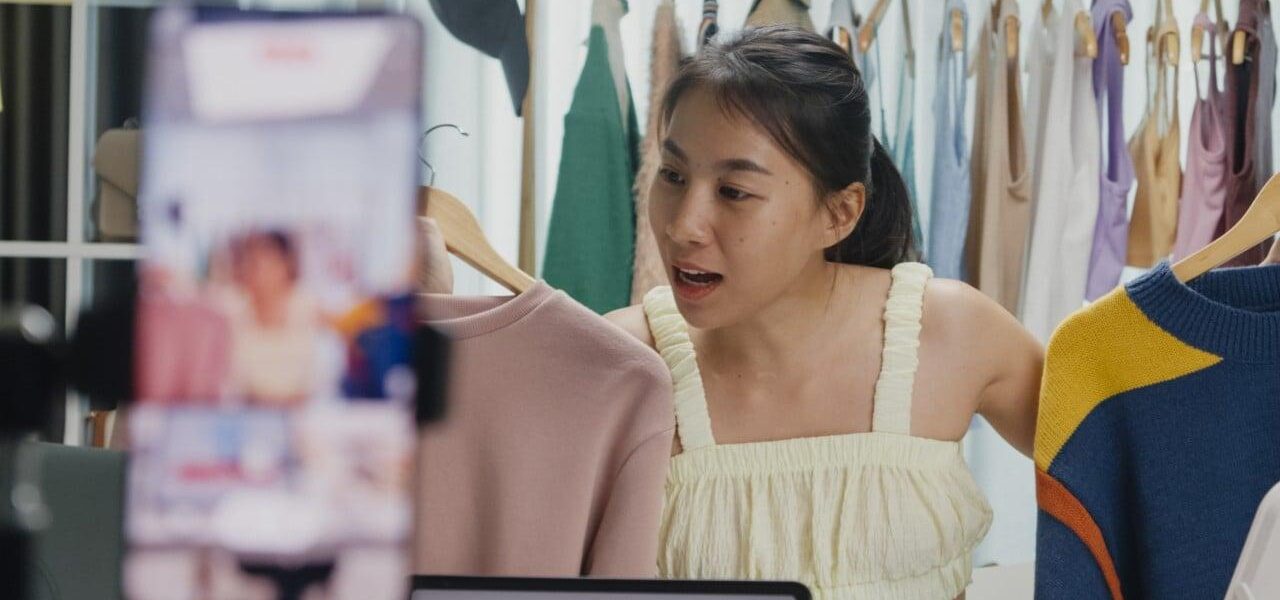
Three evenings a week, Lee transforms into an online entrepreneur, selling second-hand clothes via TikTok livestreams. During these broadcasts, she engages with viewers, answering questions — and showcasing her merchandise. Post-stream, she personally packs — and ships orders, ensuring each transaction is handled with care.
This additional endeavor brings in approximately S$500 (US$390) per month, a crucial supplement to her nearly S$4,000 monthly salary. The extra income helps cover her insurance premiums — and other essential expenses. “It’s exhausting,” Lee admits, highlighting the physical — and mental toll of balancing two jobs.
Lee’s situation is not unique. Across Singapore, a growing number of young professionals are adopting similar strategies to navigate the economic challenges posed by the AI era. The automation of routine tasks and the increasing competition for skilled jobs have made it difficult for many to rely solely on their primary employment for financial stability.
According to a recent survey by the Singapore Department of Statistics, nearly 30% of individuals aged 25-34 engage in side hustles to supplement their income. The most common activities include online reselling, freelance work, — and part-time jobs in the gig economy.
Economists attribute this trend to a combination of factors, including stagnant wage growth, rising living costs, and the gig economy’s flexibility. Dr. Tan Wei Jie, an economist at the National University of Singapore, notes, “The gig economy provides a safety net for many young workers, allowing them to generate additional income while maintaining their primary jobs.”
📄 POLICY WIRE WHITEPAPER PUBLISHED: PAKISTAN’S NATIONAL SECURITY POLICY PRIORITIES
However, the reliance on side hustles also raises concerns about work-life balance — and long-term career prospects. Prolonged engagement in multiple jobs may hinder professional growth and limit opportunities for advancement in one’s primary career.
Despite these challenges, many young workers like Lee see side hustles as a necessary evil in the current economic climate. “It’s about making ends meet,” she says. “Until the economic situation improves, I’ll keep doing what I need to do.”
Reporting by Policy-Wire (PW)