

Trump Orders Smithsonian Museum Signage Warning of Inaccurate Historical Information
US President Donald Trump mandates Smithsonian Museum to display warnings about historical inaccuracies, igniting debate over cultural institution influence.

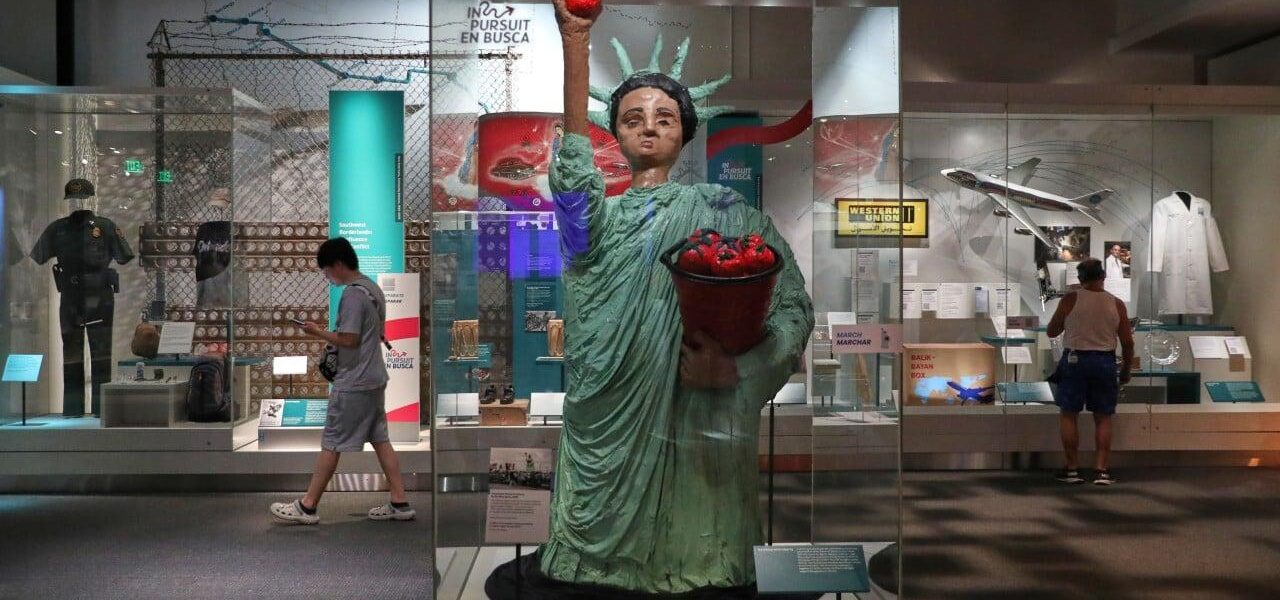
POLICY WIRE — Washington, DC — US President Donald Trump has issued an executive order mandating the installation of signage warning visitors of potentially inaccurate historical information within the Smithsonian’s National Museum of American History.
This directive, issued on Friday, represents a significant escalation in Trump’s ongoing ideological conflict with American cultural institutions. The order specifically targets the National Museum of American History, located in Washington, DC.
The executive order states: “The Secretary of the Smithsonian Institution shall ensure that appropriate signage is installed at the National Museum of American History to inform visitors that the information presented may not be accurate.”
Trump’s order comes amid broader efforts to reshape cultural and historical narratives, which have included renaming monuments and initiating renovations in line with his political ideology. These actions have faced numerous legal challenges — and widespread criticism.
The Smithsonian Institution, a trust instrumentality sponsored by the federal government, hasn’t yet commented on the executive order. However, the directive has sparked immediate debate among historians, museum professionals, and the public regarding the role of political influence in cultural institutions.
This move is part of a larger pattern where Trump has sought to exert control over cultural and educational institutions, often aligning them with his political views. The implications of this order extend beyond the Smithsonian, raising questions about the integrity and autonomy of federally sponsored cultural entities.
📄 POLICY WIRE WHITEPAPER PUBLISHED: PAKISTAN’S NATIONAL SECURITY POLICY PRIORITIES
The executive order has been met with mixed reactions. Some argue it’s a necessary step to ensure transparency and accuracy in historical presentations, while others view it as an attempt to undermine the credibility of established cultural institutions.
Reporting by Policy-Wire (PW)